Comprehensive Guide on 1470 nm Diode Laser in Cosmetic Gynecology
1. Overview of 1470 nm Diode Laser in Cosmetic Gynecology
The 1470 nm diode laser is widely used in cosmetic gynecology due to its effective interaction with water-rich tissues. It is primarily used for:
- Stress Urinary Incontinence (SUI) Treatment
- Laser Vaginal Rejuvenation (LVR) & Vaginal Tightening
- Infection Control
2. Mechanism of Action
The 1470 nm diode laser works through photo-thermal effects:
- Stimulates fibroblast activity, promoting new collagen and elastin formation.
- Increases blood circulation, improving tissue hydration and elasticity.
- Induces controlled thermal remodeling of the vaginal mucosa.
- Selective photothermal absorption leads to tissue tightening without ablation.
3. Applications & Treatment Protocols
Application | Mechanism | Procedure | Laser Settings | Session Duration | Sessions Required | Results |
Stress Urinary Incontinence (SUI) Treatment
| Tightens anterior vaginal wall, improves urethral support, enhances collagen synthesis.
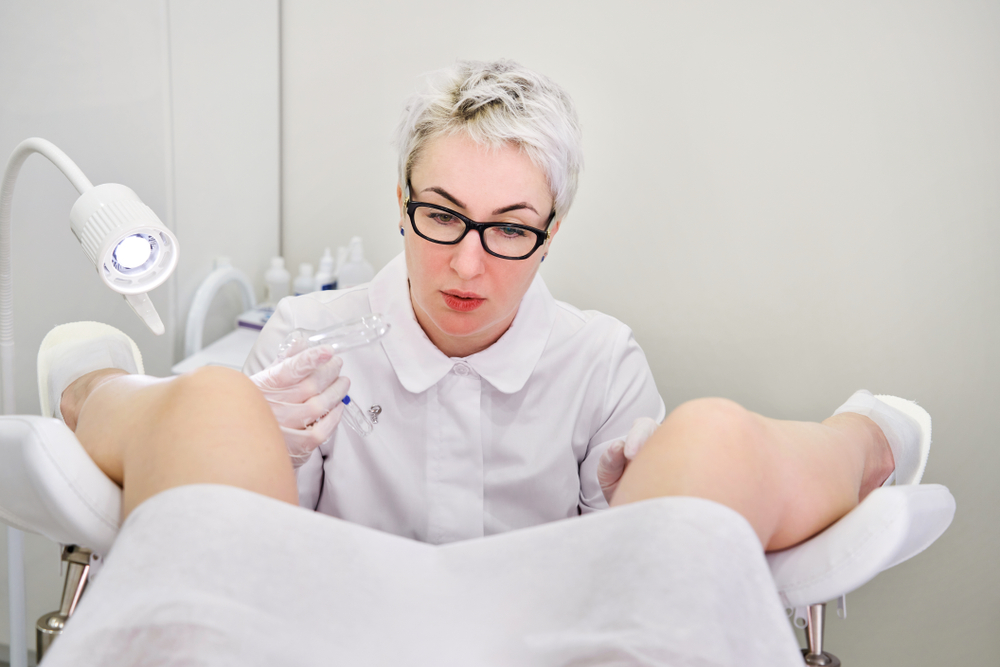
| 1. Patient Positioning: Lithotomy position | 1470 nm, 8-12W, pulsed mode
| 15-20 min
| 2-3 sessions, 4 weeks apart
| Improved bladder control, reduced urinary leakage, strengthened pelvic floor.
|
Laser Vaginal Rejuvenation (LVR) & Vaginal Tightening
| Stimulates collagen reorganization, induces thermal remodeling, improves lubrication.
| 1. Patient Positioning: Lithotomy position | 1470 nm, 8-10W, pulsed mode
| 15-20 min
| 2-3 sessions, 4-6 weeks apart
| Increased vaginal tightness, enhanced sexual satisfaction, improved lubrication.
|
Infection Control
| Eliminates bacteria & fungi, improves vaginal pH and flora.
| 1. Laser applied radially along vaginal walls | 1470 nm, 5-8W, low-energy mode
| 10-15 min
| 1-2 sessions, 3 weeks apart
| Reduced infections, balanced vaginal flora, improved vaginal health.
|
4. Clinical Studies & Data
Key Findings from Scientific Research:
- Significant improvement in SUI symptoms with a high success rate.
- Enhanced vaginal elasticity and lubrication post-treatment.
- High patient satisfaction with minimal side effects.
5. Equipment & Accessories Required
Equipment & Accessories Required:
- Diode Laser (1470 nm) Machine
- Radial Fiber / Conical Fiber for LVR & Vaginal Tightening
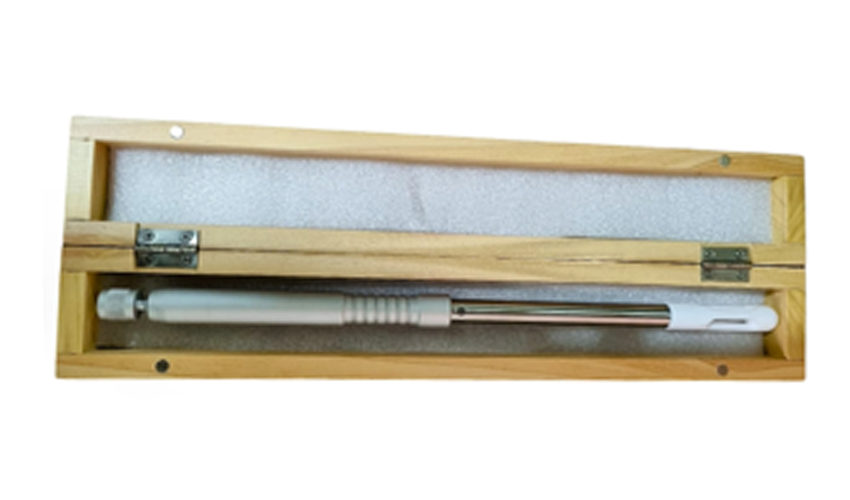
- SUI Probe for Stress Urinary Incontinence
- Glass Cap: Not required for these procedures.
6. Advantages Over Other Treatments
Advantages Over Other Treatments:
- Minimally Invasive: No cuts or incisions.
- No Downtime: Patients resume daily activities immediately.
- High Success Rates: 85-90% effectiveness.
- Non-Ablative: Does not damage surrounding tissues.
7. Post-Treatment Care
Immediate Post-Treatment Instructions:
✅ DOs:
- Apply mild cooling packs if discomfort occurs.
- Maintain hydration & probiotics for vaginal health.
- Resume daily activities immediately (no downtime).
❌ DON’Ts:
- No sexual intercourse for 5–7 days.
- Avoid hot baths, saunas, or swimming for 3–5 days.
- No harsh vaginal washes or douching.
8. Anesthesia Considerations
For 1470 nm diode laser procedures, anesthesia is generally not required due to the non-invasive nature of the treatment. However, in patients with low pain tolerance, the following options can be considered:
✅ **Topical Anesthesia**: Lidocaine gel 2-5% applied 10-15 minutes before treatment.
✅ **Local Infiltration Anesthesia**: Used in rare cases where slight discomfort is expected.
✅ **No General or Spinal Anesthesia**: Since the procedure is non-ablative and minimally painful.
9. Passes Per Session
Procedure | Passes Per Session | Technique |
Stress Urinary Incontinence (SUI) Treatment | 2-3 passes per segment | Circular motion targeting the urethrovesical junction. |
Laser Vaginal Rejuvenation (LVR) & Vaginal Tightening | 3-5 passes per segment | Gradual outward movement while applying laser energy circumferentially. |
Infection Control | 2 passes per segment | Radial application along the vaginal walls. |